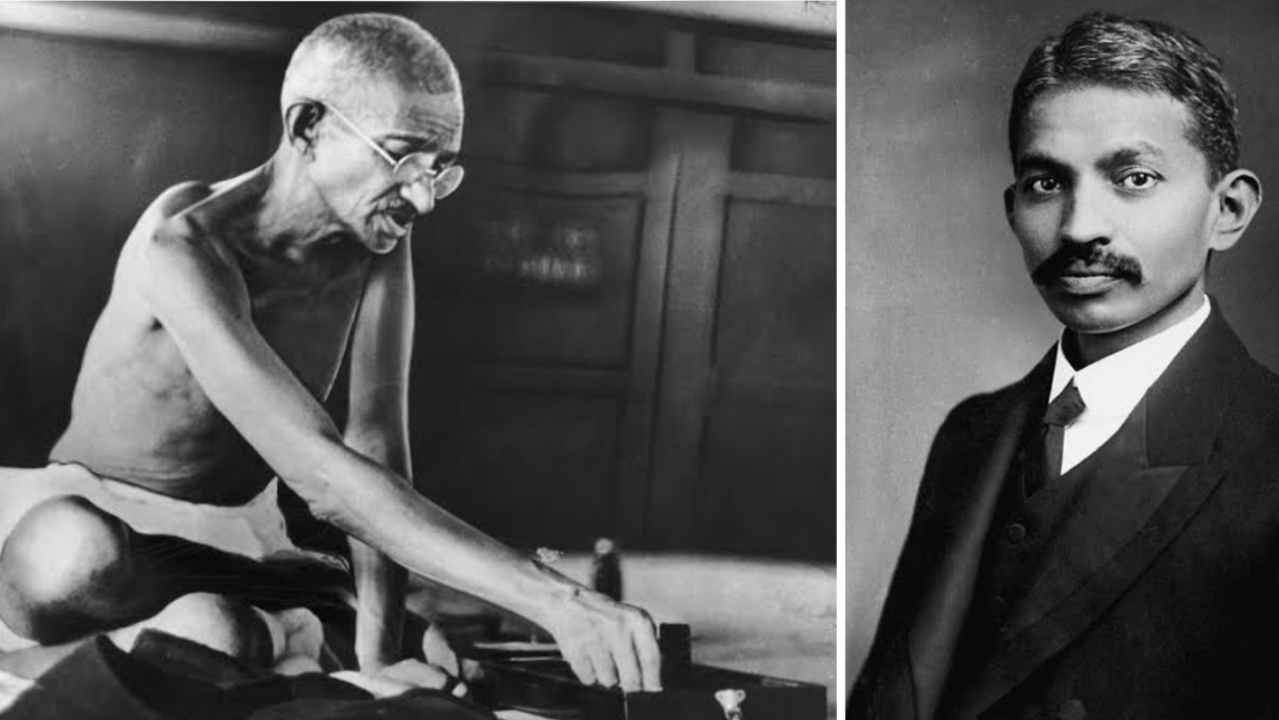
Gandhian Principles of Justice in Modern Advocacy
As we celebrate Gandhi Jayanti, it’s an ideal time to reflect on how Gandhian principles of justice continue to influence the Indian legal system today. For advocates, these timeless values are essential not only for delivering fair representation but also for building trust and fostering lasting client relationships. Let’s explore how these core principles can shape modern legal practice:
1. Truth (Satya) – The Foundation of Justice
Gandhi believed that truth is the cornerstone of justice. As an advocate,
ensuring that truth prevails
no matter how challenging the path
helps secure justice for your clients.
Upholding truth in legal arguments builds credibility and sets the foundation for long-term client trust.
2. Non-violence (Ahimsa) – A Peaceful Approach to Conflict Resolution
Non-violent methods, like
mediation and arbitration,
offer effective alternatives to contentious litigation.
Advocates who champion peaceful conflict resolution help clients avoid unnecessary hostility and lengthy court battles, in line with Gandhi’s vision of resolving disputes harmoniously.
3. Dignity of Individuals – Advocating for Equal Rights
Gandhi’s unwavering commitment to the dignity of every individual serves as a reminder that justice transcends social status. Advocates can uphold this by fighting for marginalized communities and ensuring that all clients, regardless of background, receive fair representation and respect.
4. Self-Reliance (Swaraj) – Empowering Clients with Knowledge
Gandhi’s concept of Swaraj focused on self-reliance and empowerment. For advocates, educating clients about their rights and legal options fosters independence and informed decision-making. This strengthens client relationships and helps them navigate their legal journeys with confidence.
5. Service to Society – Law as a Tool for Social Change
Gandhi’s life was dedicated to the service of others, and for advocates, this principle translates into using the law as a tool for societal progress. By taking on public interest cases or providing pro bono services, advocates contribute to creating a more equitable legal system and society.